
What is a Multi-Band Radio? Top Picks & Buying Guide
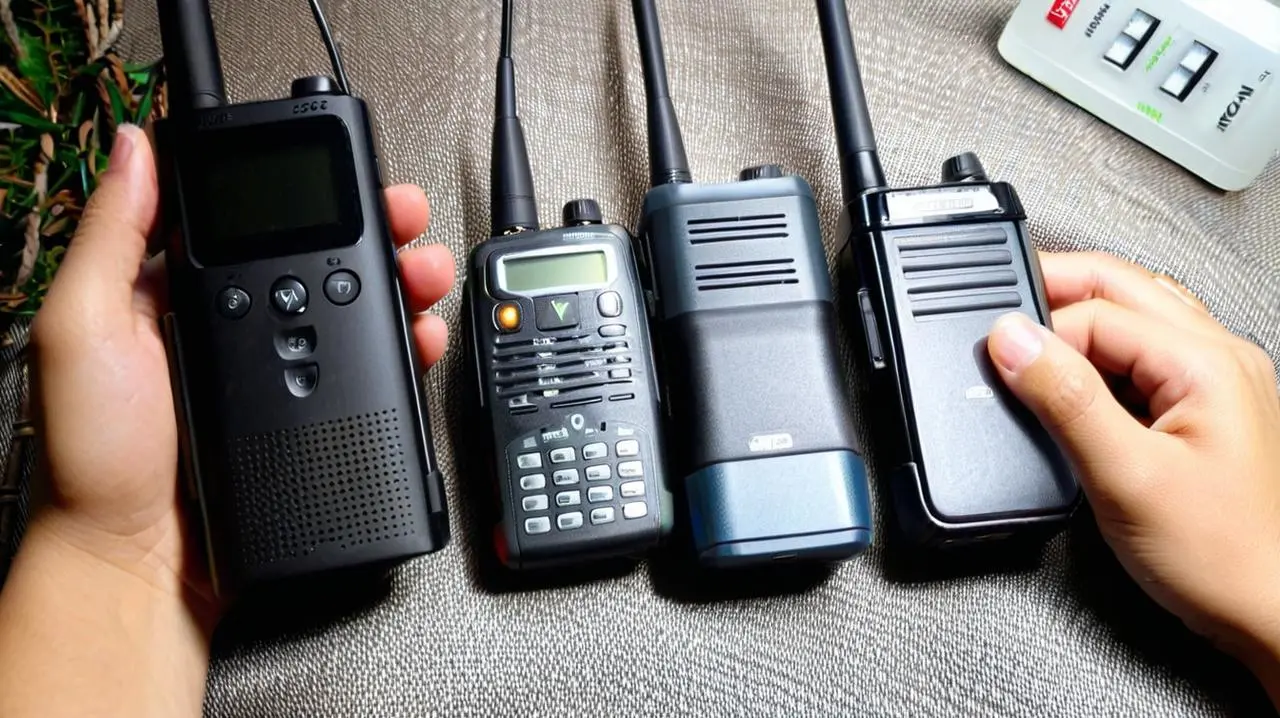
If you’ve just received your amateur radio operator’s license from the Radio Association and are about to take home your first walkie-talkie, your seniors will most likely tell you, “Go for it! Just buy a multi-band radio!”
What is “multi-band”? Why is it so highly praised? This article will explain it in ten minutes, using simple language.
Frequency Band and Channel: First, let’s clarify two key words.
Frequency Band
The VHF (136–174 MHz) and UHF (400–470 MHz) frequency bands commonly used in amateur radio are two different frequency bands, like two non-overlapping “highways in the sky.”
Channel
A highway can have several lanes, and a frequency band can have hundreds of channels.
Conclusion
A single-band radio can only operate on one highway; a multi-band radio can freely switch between multiple highways.
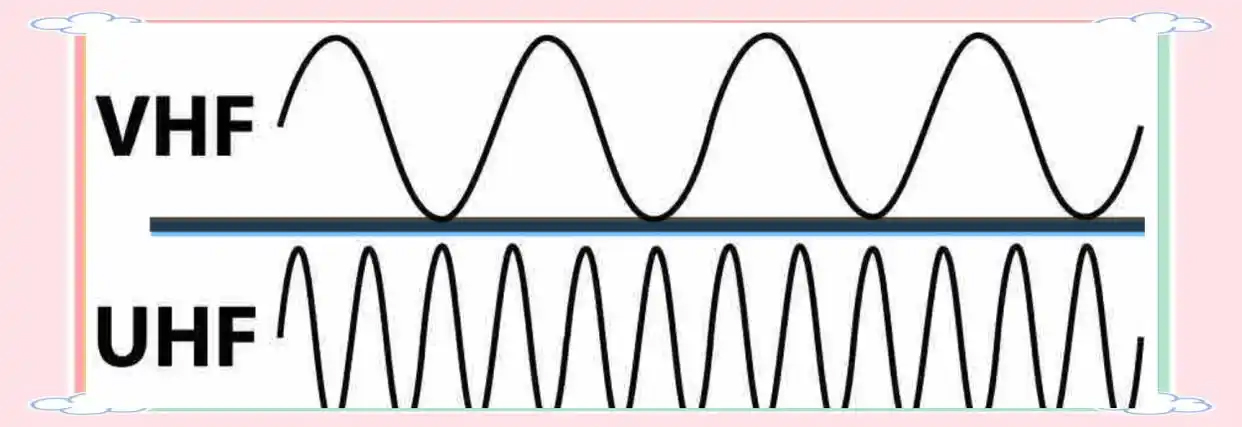
Definition of a Multi-Band Radio
Officially, a device integrating two or more RF front-ends into a single device, capable of legally transmitting and receiving radio signals on two or more amateur frequency bands, is called a “multi-band walkie-talkie.”In layman’s terms, a radio capable of both VHF and UHF, and even monitoring aviation and maritime signals, is “multi-band.”
Why is “multi-band” essential for amateur radio?
Because real-world signals aren’t straight lines like those in a laboratory. During disasters like earthquakes and floods, VHF transmission distances and UHF penetration allow for better communication, complementing each other to maintain contact. If the local VHF repeater fails, you can immediately switch to the UHF repeater without losing connection. Going a step further, satellite communications, APRS, digital DMR, and C4FM all require cross-band operation. Rather than carrying three radios, it’s better to have one radio that handles everything – a lighter backpack and greater peace of mind.
The terms “dual-band” and “triple-band” often used in the market refer to the number of highways a radio can cover. Dual-band generally refers to VHF and UHF. Three-band radios also include a 50 MHz 6-meter band. There’s also a “wideband receiver” that can listen from 0.1–999 MHz, but only transmits on designated amateur bands. Don’t confuse them.
Five best multi-band walkie-talkies that are easily available and have the best reputations.
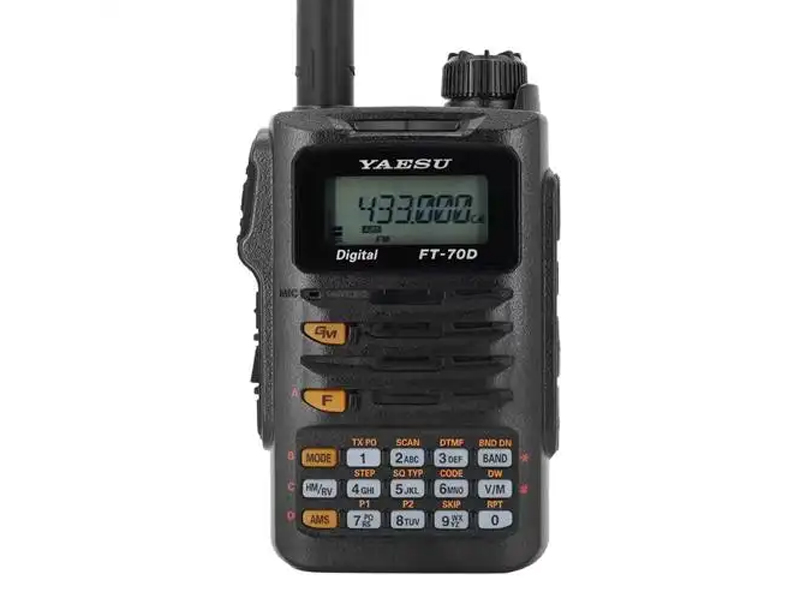
The first is the Yaesu FT-70DR
This is a typical VHF/UHF dual-band radio that supports both C4FM digital and analog modes. It can be recharged via USB. It’s perfect for beginners who want to experience digital voice without the hassle of fussing.
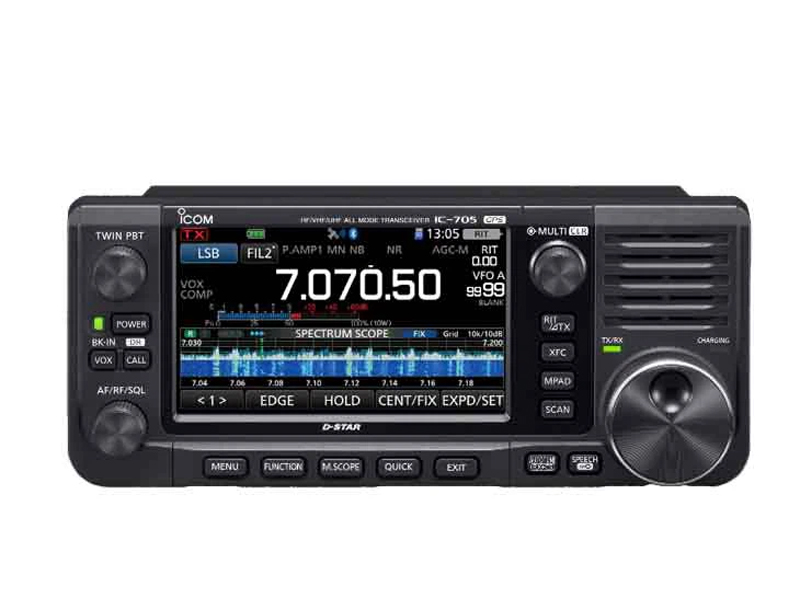
The second is the ICOM IC-705
The IC-705, known as a “shortwave station in your pocket,” features full HF/50/144/430 MHz modes, SDR architecture, and can even pull 10 watts in the field. you can control the world with this radio. It’s perfect for those who also want to enjoy DXing in the field.
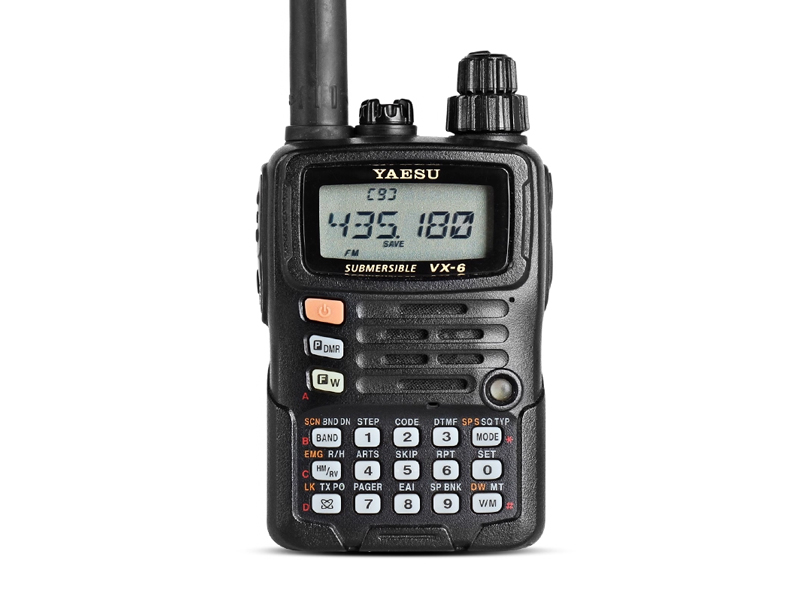
The third model is the Yaesu VX-6R
Triple-band wideband receiver, military-grade waterproofing to three meters, and a drop-resistant housing. it’s a must-have for off-roading, cycling, and extreme sports.
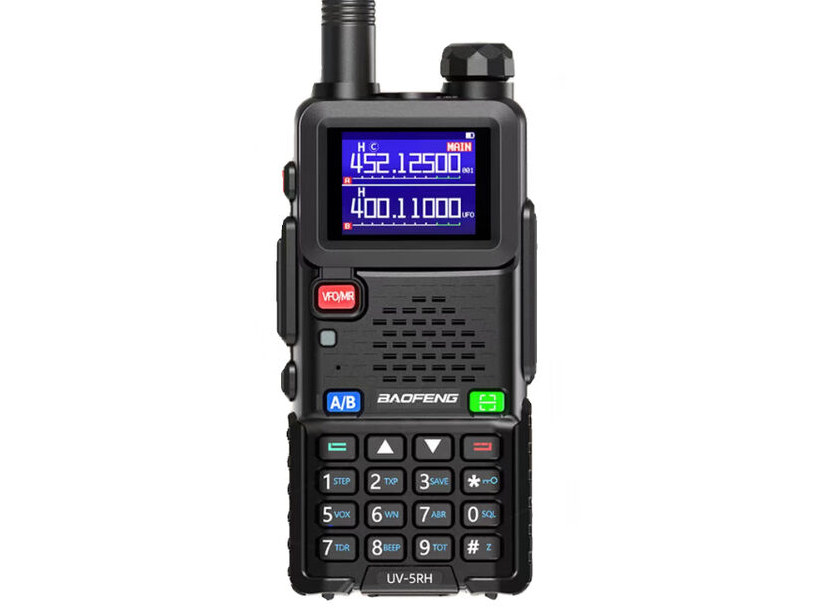
The fourth model is the Baofeng UV-5RH
UV-5RH supports reception in six frequency bands including VHF (136-174MHz) and UHF (400-520MHz), and can transmit in three frequency bands, and can transmit in three frequency bands, plus 65–108 MHz FM broadcast. with wide frequency band coverage.It offers excellent value for money and can be flashed with your own firmware.

The fifth model is the ETMY ET-UV9K
If you’re on a tight budget but want the all-in-one experience of tri-band, waterproofing, and GPS tracking, the ET-UV9K is easily the most feature-rich option in its price range. It supports multiple frequency bands, from VHF (100–290 MHz), 220 MHz (220–260 MHz, US standard 1.25 m band), to UHF (300–600 MHz), with up to 199 channels. It comes standard with a large 2500 mAh battery, allowing for a range of 3–5 km in the field.

Summary
When purchasing a multi-band radio, keep in mind three key points:
First, check the permitted frequency bands on your license to avoid transmitting beyond the permitted range.
Second, ensure adequate power. 5 watts is the maximum in urban areas, while 8–10 watts is more stable in the field. For HF, antenna efficiency is key.
Third, original batteries are expensive but durable, while aftermarket batteries are cheaper, so it’s best to have extra batteries. The antenna is the real productivity driver. The small stick that comes with the handheld radio is only useful for hearing; replace it with a longer antenna when you’re in your vehicle.
A multi-band walkie-talkie is like a Swiss Army knife. You might only use the main blade in most situations, but a small screwdriver can be a lifesaver in a pinch. If you only want to buy once, go for dual-band. If you want to keep using it forever, go for full mode and full frequency band. Remember to set up a station legally and communicate in a civilized manner.