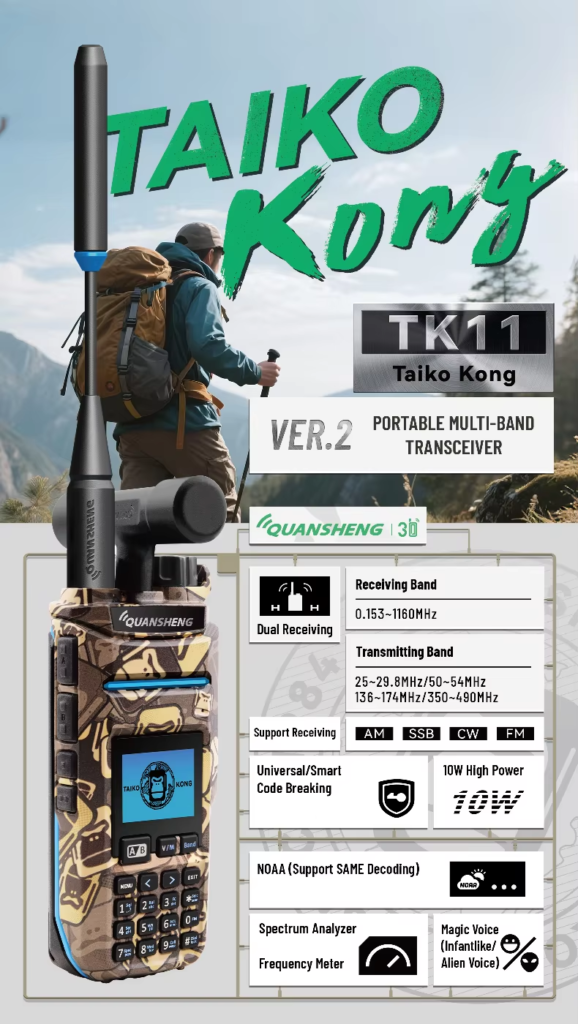
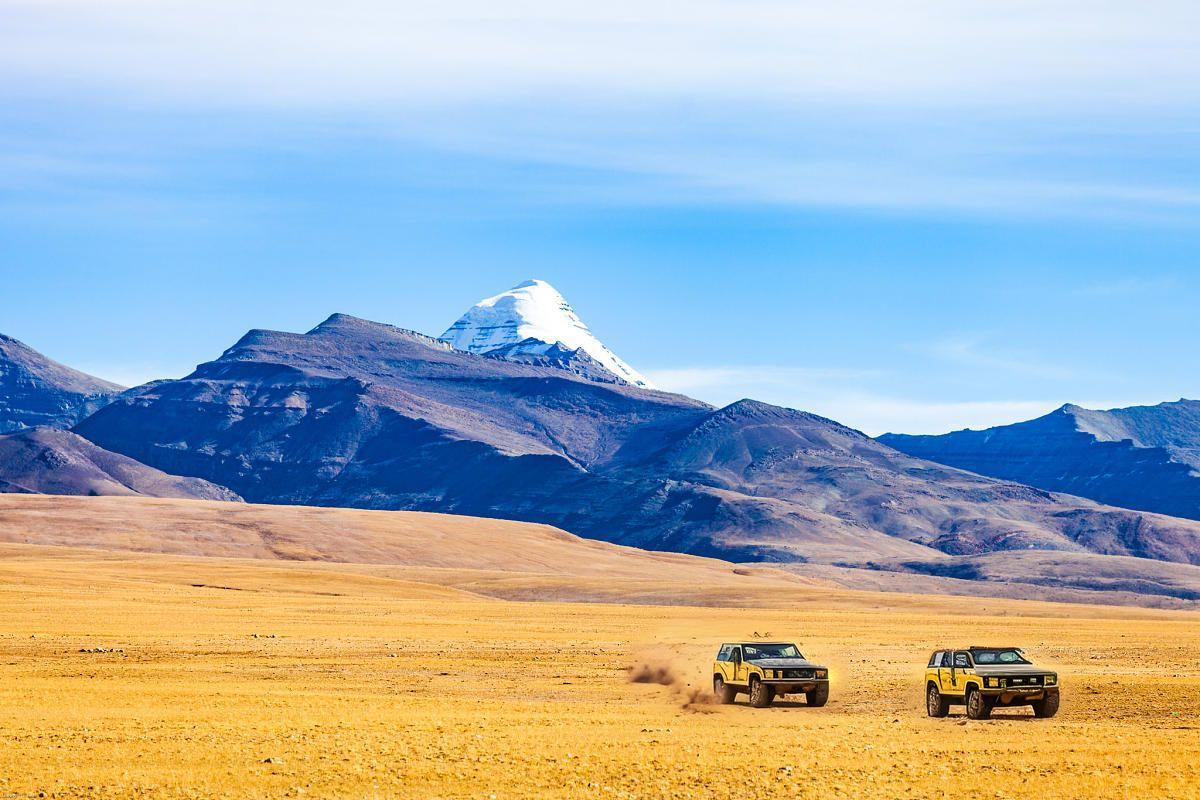
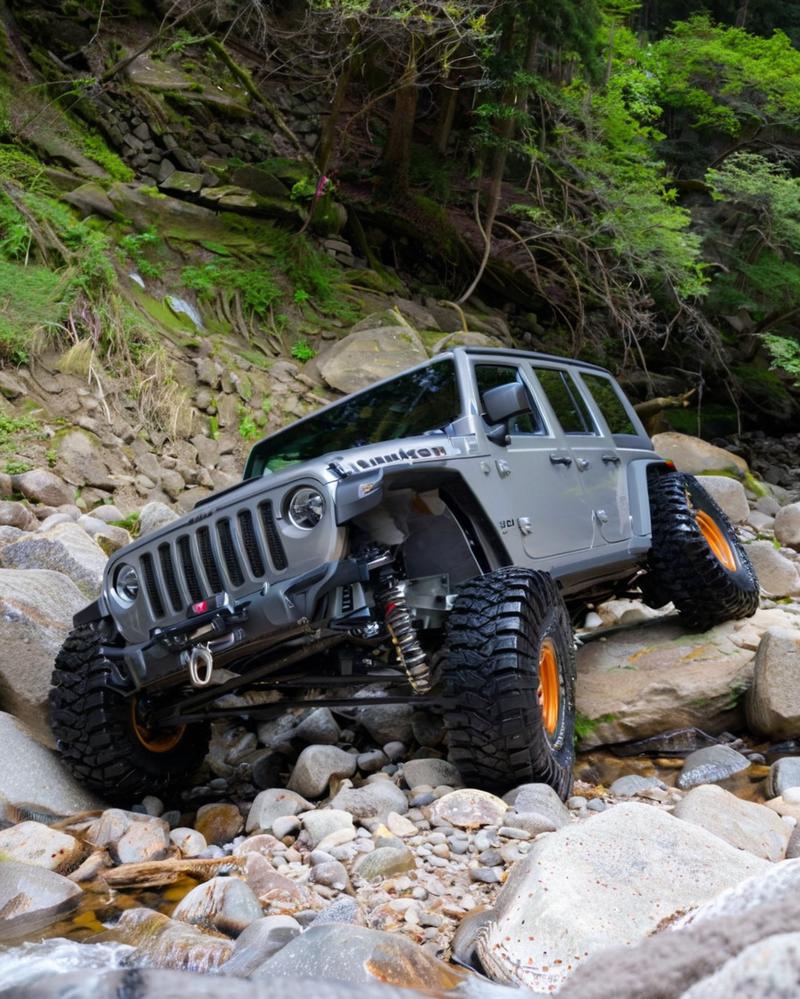
For those who like long-distance car trip, UHF walkie-talkies are simply their “electronic first aid kits”. You may see some news reports saying that some crossers had problems with their cars far away from civilized society, and they had to wait for hours or even days for rescue. At this time, if they have a walkie-talkie, enter the emergency channel, turn on the duplex mode, and try to connect to the repeater tower, they may be able to get out of trouble in time. Especially when the convoy is traveling, effective communication between the head car and the tail car is crucial. The head car can also remind the team members to pay attention to animals, dangerous road conditions, etc., and the team members can also call for support in time, cheer each other up, and prevent drowsiness while driving.
Choice of walkie-talkie: wattage is very important ?
Friends who are just starting to cross-country or cross-country often struggle with how to choose a walkie-talkie: car radio or handheld radio? 5 watts or 2 watts? Is the antenna of the car radio 2.1dBi or 6.6dBi? Which channels can be used?
Wattage determines communication distance ?
Wattage is an important parameter of the walkie-talkie, which determines the communication distance. Generally speaking, a 0.5-watt walkie-talkie can only be considered a toy, and it is best to choose a 2-watt one for a convoy. However, low-wattage walkie-talkies can be given to children to play with, allowing them to “scream” on their own channels. I have tested a 5-watt walkie-talkie in the city, and the effective communication distance is about 5 kilometers.
Antenna coverage ?
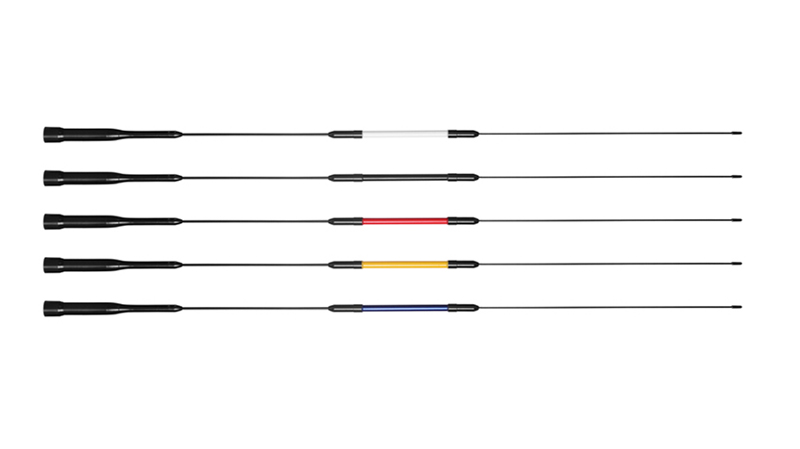
The coverage of the antenna is also very important. The lower the dBi, the larger the vertical coverage area; the higher the dBi, the larger the horizontal coverage area. It does not mean that choosing a high dBi antenna is better. For example, off-road enthusiasts who often drill into the mountains and forests generally choose a 2.1dBi antenna, so that the communication effect between the convoys is better. When Outback crosses long distances, because the terrain is flat, they will change to a 6.6dBi antenna to increase the communication distance.
Channel selection ?
For which channels can be used and which channels can be used for emergency rescue, you can refer to some detailed frequency band distribution maps.
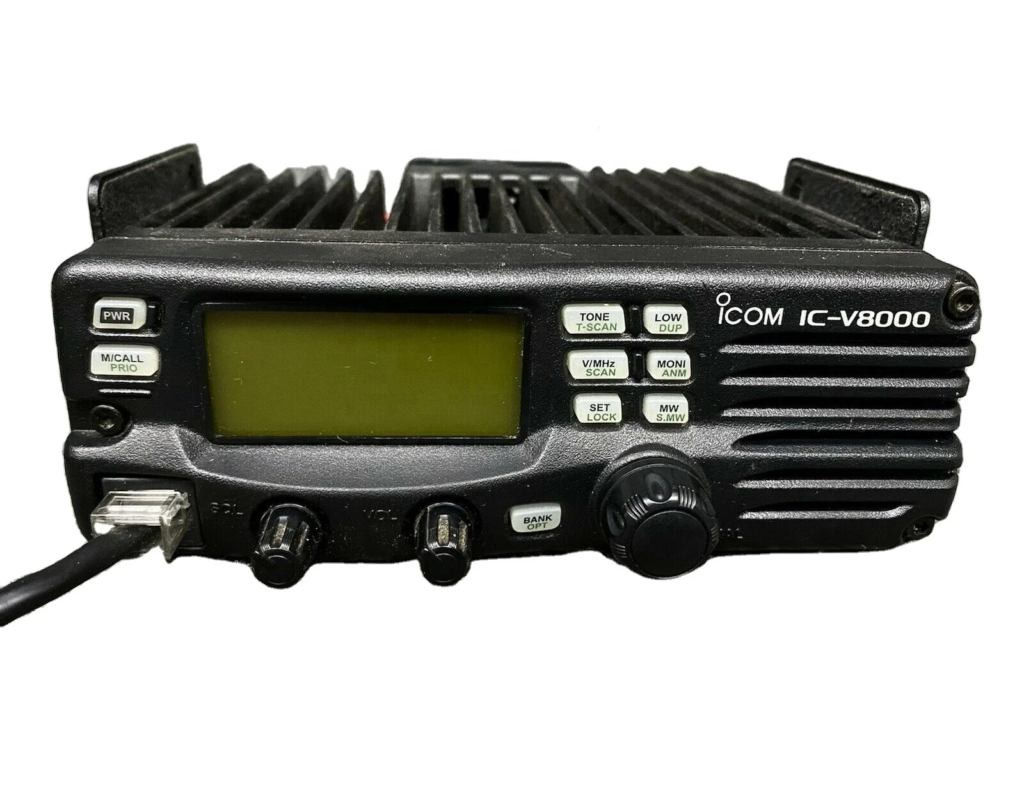
Mobile radio vs handheld radio: pros and cons comparison ??
Mobile radio: no need to charge, wide coverage (AP3800 effective communication distance is 10 kilometers), powerful functions, and the antenna looks cool. But the disadvantage is that it is expensive, needs to be installed, and cannot be carried with you.
Handheld radio: cheap and can be carried with you. But it needs to be charged (I often forget to charge), the communication distance is lower than the car radio, and the effect will be worse when driving in the car.
Walkie-talkie model recommendation ?
In terms of walkie-talkies, the brand digital Mobile radio AP3800 is very effective and feels very high-end and classy. It has a up to 25W high-power output and can transmit over long distances. The most important thing is that it is DMR tier 3, the sound quality is very clear, and the signal is stable at critical moments.
Summary ?
Although I have a car radio, I still carry a handheld radio with me. When passing through dangerous sections, the observer under the car can communicate with the driver more effectively. In short, choosing the right walkie-talkie can make your self-driving trip safer and more enjoyable!